
Practice Documenting: Dietary Intake
Sheela is an 81-year-old resident at the long-term care facility you work for. They have dementia and occasionally experience sundowning behaviors. On the day shift Sheela is alert and oriented and participates in activities without problems. You are working the 7–3 shift today, and Sheela appears more tired than usual. The 11–7 shift report indicates that Sheela struggled with elopement behaviors throughout the night. You assist Sheela via their wheelchair to the dining room this morning. Sheela seems sleepy and withdrawn. You take a seat next to Sheela and offer the coffee cup (240 mL). Sheela takes a sip and then immediately puts it back down. You offer the spoon so that Sheela can eat the oatmeal. Sheela takes one bite and places the spoon back down on the table. You place the toast in Sheela’s hand, and that is well received. Sheela eats all four pieces of toast. Sheela then goes on to pick up the spoon and finish the bowl of oatmeal as well as the coffee. Sheela leaves the milk and orange juice untouched. The two hard-boiled eggs are untouched as well. Sheela lies down for a mid-morning nap and sleeps through the morning snack offering. At lunchtime Sheela is far more alert. Sheela chats with the folks at the dining room table and does not need assistance during the meal. Sheela eats all the pecan pie and the French bread, half of the lasagna, and half of the salad. Sheela drinks 75% of the carton of milk (240 mL) and a cup of coffee (240 mL) with lunch. After lunch Sheela participates in the bingo activity. During the activity Sheela refuses the fruit offered for the afternoon snack but does drink a full glass of apple juice (120 mL).
How would you document Sheela’s day shift oral intake?

240 mL coffee, 120 mL juice, 240 mL milk
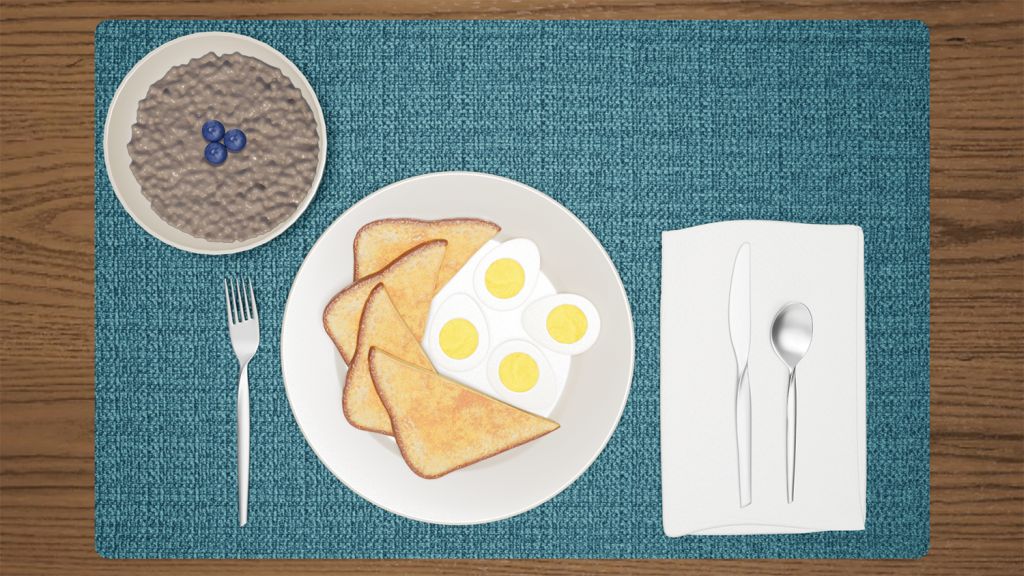
Refused: Full plate
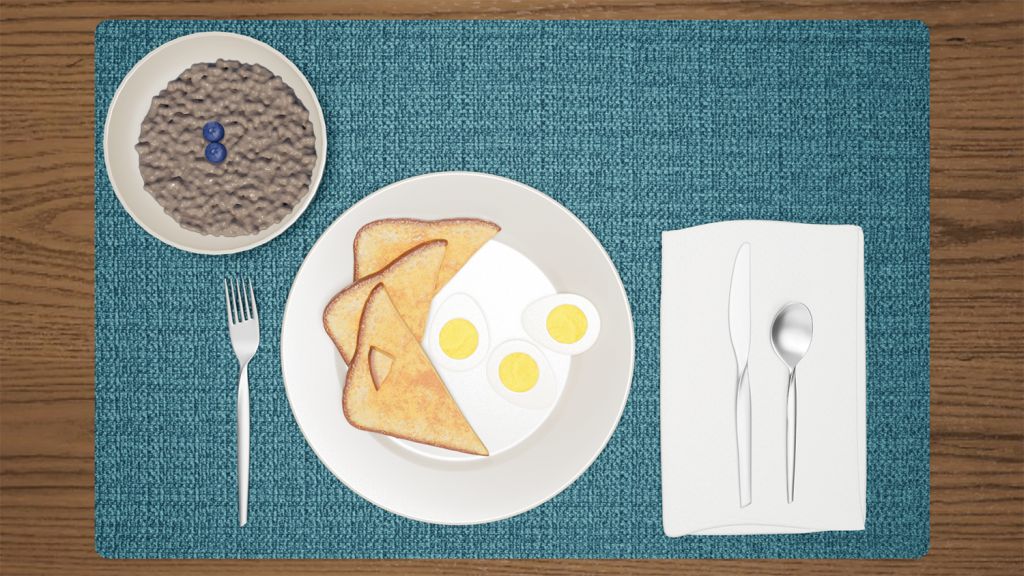
0–25% eaten
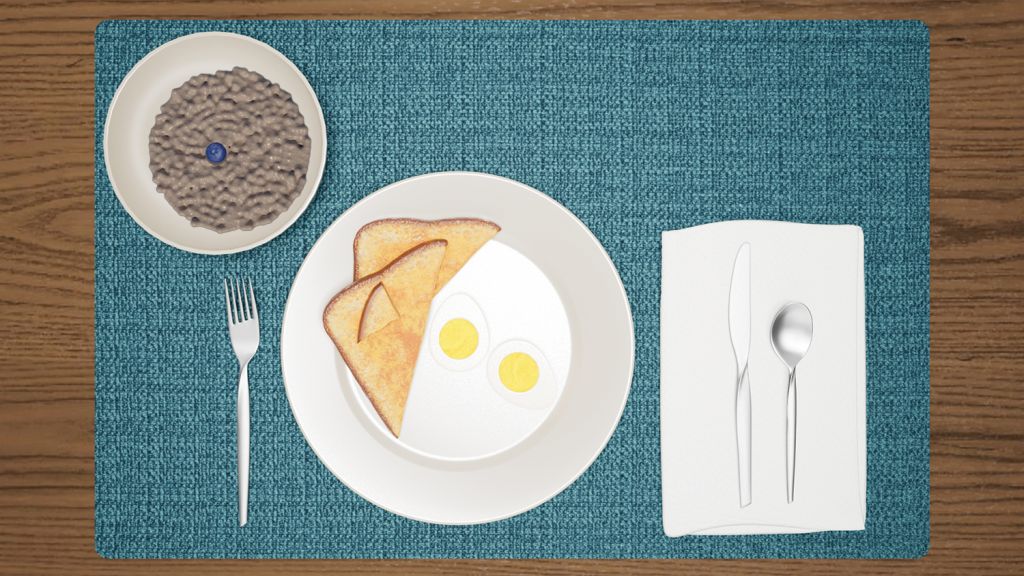
25–50% eaten
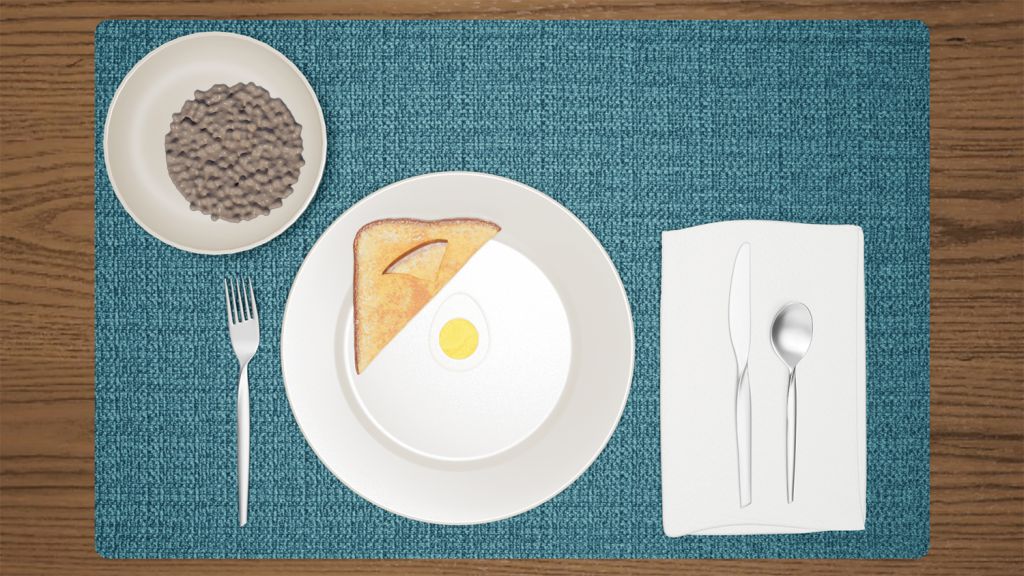
50–75% eaten
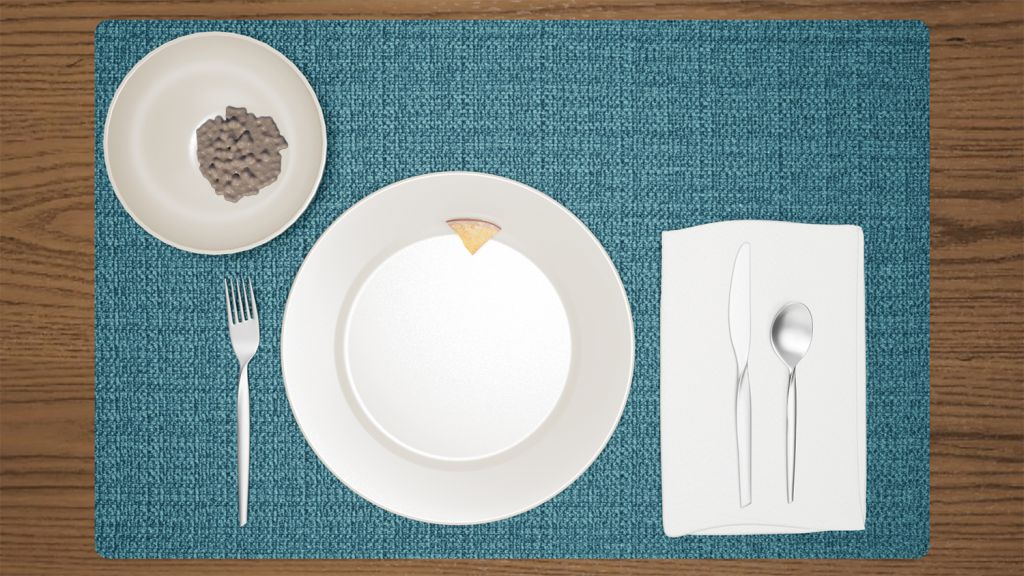
75–100% eaten